
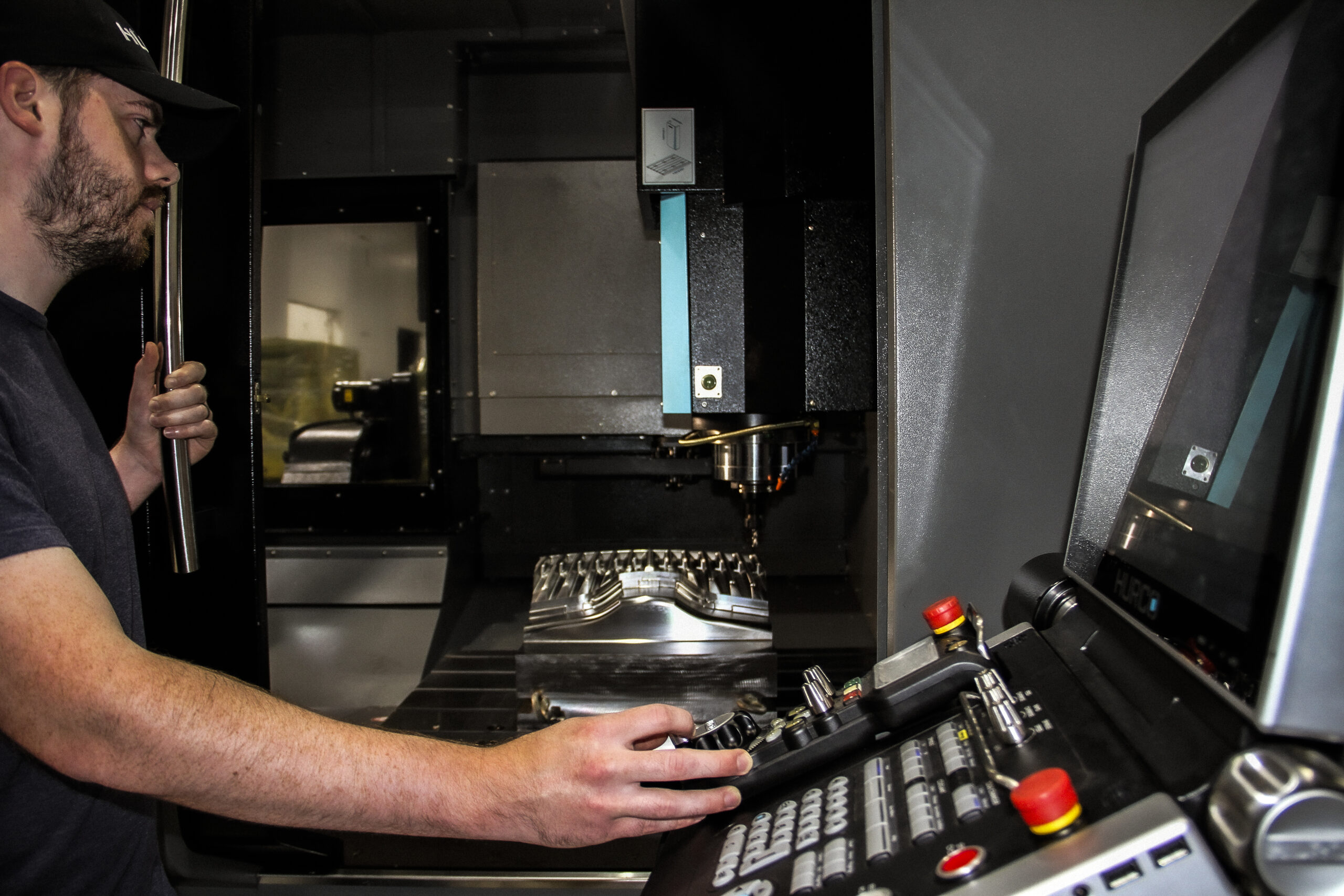
Modern CNC machines are equipped with sophisticated diagnostic software designed to monitor thousands of variables in real time. These systems are a critical link between the machine’s physical performance and the operator. When the control system detects a condition that falls outside of safe operational parameters, it triggers an alarm. While these interruptions can be frustrating in a busy high-production environment, CNC control system alarms are essential safeguards that protect the machine from catastrophic damage.
The Risk of Resetting
A common but high-risk practice in many machine shops is the immediate clearing of alarms without fully investigating the underlying cause. When an operator repeatedly clears a fault to resume production, they’re bypassing the machine’s internal safety logic.
Alarms are hardly ever “random”. If a control system stops a cycle, it’s because a specific sensor has detected an anomaly, like a voltage spike, thermal limit breach, or a synchronization error between axes. By ignoring CNC control system alarms, your shop is allowing a minor electrical or mechanical issue to persist.
This neglect often leads to “cascading failures”, where a small, inexpensive component fails and causes damage to the much more expensive control boards or drive motors.
Identifying the Root Causes of Electrical Faults
Electrical and control system issues are often more complex to diagnose than mechanical ones. Several environmental factors in a machine shop can lead to frequent CNC control system alarms.
For example, the presence of fine metallic dust and coolant mist is a constant threat to electrical integrity, making contamination a risk. If these contaminants enter the electrical cabinet, they can cause short circuits on sensitive printed circuit boards.
Control systems generate a significant amount of heat. If cabinet fans or heat exchangers are not properly maintained, the internal temperature can rise quickly. Modern controls will trigger an alarm to prevent the processors from melting, but frequent overheating permanently degrades the lifespan of electronic components.
CNC machines also require stable, high-quality power. Fluctuations in the local power grid, or electrical noise from other large equipment in the facility, can trigger “nuisance” alarms. While these might seem minor, they can eventually damage the machine’s power supply units.
Don’t Ignore Control System Faults
Control system faults are often the first sign of a mechanical issue that has not yet become visible. For instance, an “overcurrent” alarm on a servo motor might indicate that the motor is working harder than usual. This could be caused by a lack of lubrication or a ball screw that is beginning to bind.
By addressing these CNC control system alarms immediately, a maintenance team can identify the mechanical resistance before the motor or drive fails. This diagnostic approach allows the shop to resolve the root cause, like cleaning a lubrication line, rather than simply replacing an expensive motor that failed due to external stress.
Professional Protocol for Handling Alarms
Establish a professional protocol for handling faults and maintaining machine integrity. When an alarm occurs, the operator should first document the specific error code and the accompanying description. This data is invaluable for service technicians.
Note the context of the alarm. Determining if a fault occurs only during high-speed movements, or perhaps only after the machine has been running for several hours, can significantly narrow down potential causes. Attempting to “work around” an alarm by adjusting parameters or bypassing sensors is never a recommended solution and may even void the manufacturer’s warranty.
Prioritize Machine Integrity
The sophisticated controls in CNC machines are there to ensure both precision and longevity. Treating CNC control system alarms as vital diagnostic data rather than obstacles to production is a great indicator of a well-run shop.
Addressing these issues with a professional, data-driven approach makes certain that the machine operates within its designed limits.
Contact a professional service team if the alarm cannot easily be resolved through standard troubleshooting. Protecting the control system is ultimately the only way to protect the machine’s ability to produce high-quality parts.
Have questions about repair or maintenance in your machine shop? Let’s talk about it! Contact us today to get started.