
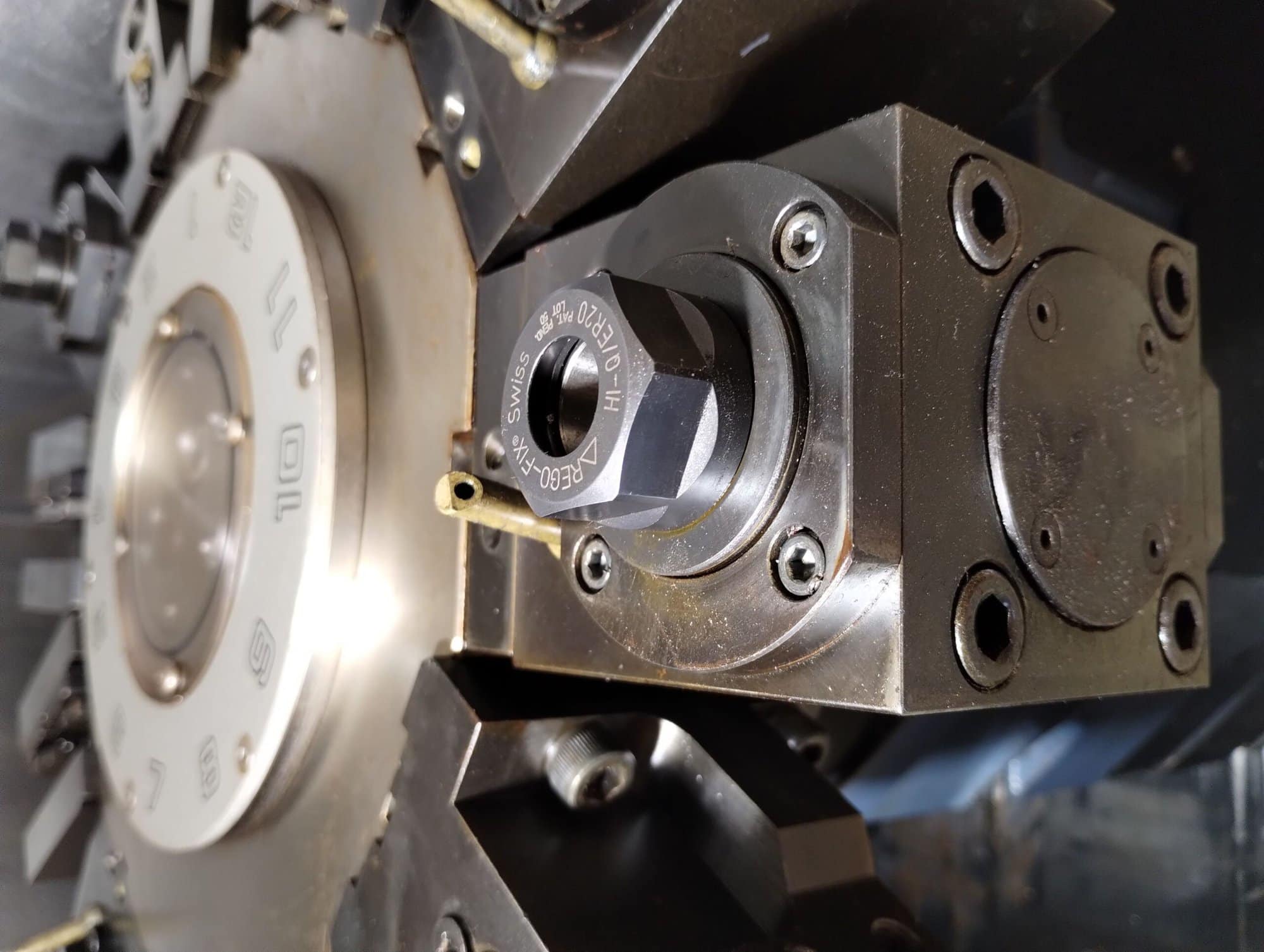
Investing in a new CNC machine is a major step forward for any manufacturing facility. On paper, the decision is simple: better technology should lead to higher output. However, many owners find that the transition period is more complex than they had anticipated. While the hardware is ready to perform, the success of the investment depends on how well the shop integrates the machine into its existing environment.
At Machine Tech, we see that a new machine is rarely a plug-and-play solution. To get the most out of your purchase, you must treat the installation as a total system upgrade. Understanding why some shops struggle during this phase is the best way to ensure your own success.
Bridging the Productivity Expectation Gap
The most frequent hurdle for a CNC machine shop is the gap between expectations and reality during the first few weeks. It is easy to assume that production will spike the moment the machine is commissioned. In reality, every high-performance machine requires a deliberate ramp-up period.
When you expect instant results, you risk rushing the process. Rushing often leads to overlooked calibrations or improper tool offsets, which can result in expensive errors early on. A successful shop views the first week as an investment in stability. By planning for a gradual increase in production, you allow your team to find the most efficient way to run the machine without the pressure of an immediate deadline.
Optimizing Tooling for Modern Performance
A common mistake in a machine shop is trying to use legacy tooling on a modern machining center. If you spend significant capital on a machine capable of high spindle speeds and rapid feeds, but continue to use standard tools from ten years ago, you could be throttling your own investment.
Modern equipment requires tooling that can handle the increased heat and friction of high-speed cycles. This is where machine engineering becomes essential. You need to evaluate your tool library and your CAD/CAM programs to ensure they match the power of your new machine. Upgrading your tools to match your machine is the only way to reach that higher profit per hour.
Closing the Technical Training Gap
A CNC machine is only as effective as the logic driving it. Modern controls, like those from Hurco or Takumi, offer advanced features that can drastically reduce setup times, but only if the operator understands how to use them. If your staff feels uncomfortable with the new interface, they will often ignore the most powerful features in favor of familiar but slower methods.
Training is an ongoing requirement for any high-tech facility. When you utilize professional machine tool services for training, you ensure that your team knows how to use the machine to its full potential. A confident operator is more likely to push the machine to its designed limits, which shortens the time it takes to see a full return on your investment.
Managing the Shift in Workflow
Sometimes, a new machine works so well that it creates a bottleneck elsewhere. If your new milling center doubles your output, you must ensure that your material preparation and your inspection departments can keep up.
If parts sit in a queue waiting for the next step, the speed of your new CNC machine doesn’t actually translate to more revenue. You must look at your facility as a single, connected workflow. Ensure that every department, from front office to shipping, is ready for the increased volume.
Roadmap to a Successful Launch
To avoid the most common struggles of new equipment, follow a proactive plan!
1. Applications Engineering
Success begins before the machine even arrives. You should work with experts in applications engineering to review your specific parts and programs. These specialists help you choose the best cutting strategies and tool paths for the new hardware. By solving technical challenges in the office, rather than on the shop floor, you ensure the machine starts working effectively the moment it is powered on.
2. Process Validation
Never assume that a program that worked on an old machine will perfectly translate to a new one. Process validation involves running test parts to confirm that the machine meets your exact tolerances and surface finish requirements. This step allows you to prove out the cycle times and ensure that the quality of the finished part matches your customer’s expectations before you commit to a full production run.
3. Gradual Ramp-Up
Resistance to a “slow start” is natural, but a gradual ramp-up is the safest path to long-term speed. Start with simpler jobs to help your operators get comfortable with the new control system. As their confidence grows, you can move toward more complex parts and higher speeds. This phased approach prevents the panic that can lead to machine crashes or ruined material during the first week of operation.
4. Preventative Maintenance
A new machine is an asset. You must establish a preventative maintenance schedule from day one. Don’t wait for an alarm or a failure to give the machine attention.
By following the manufacturer’s service intervals for lubrication, cooling, and calibration, you can protect the machine’s accuracy and prevent small issues that lead to major downtime later.
5. Ongoing Support
Your relationship with your distributor shouldn’t end when the delivery truck leaves your dock. Ongoing support is essential as your production needs evolve. Whether you need help troubleshooting a complex setup or want to learn about a new feature on the control, having access to a professional support team ensures you are never stuck. This partnership keeps your shop agile and ready for whatever your customers demand next.
At Machine Tech, we focus on helping you turn hardware into a high-performance asset. Our team is here to help you navigate the first few weeks of ownership so you can reach your production goals as quickly as possible.
If you’re planning a machine purchase, we can help ensure it delivers results from day one. Contact Machine Tech today to get started!