
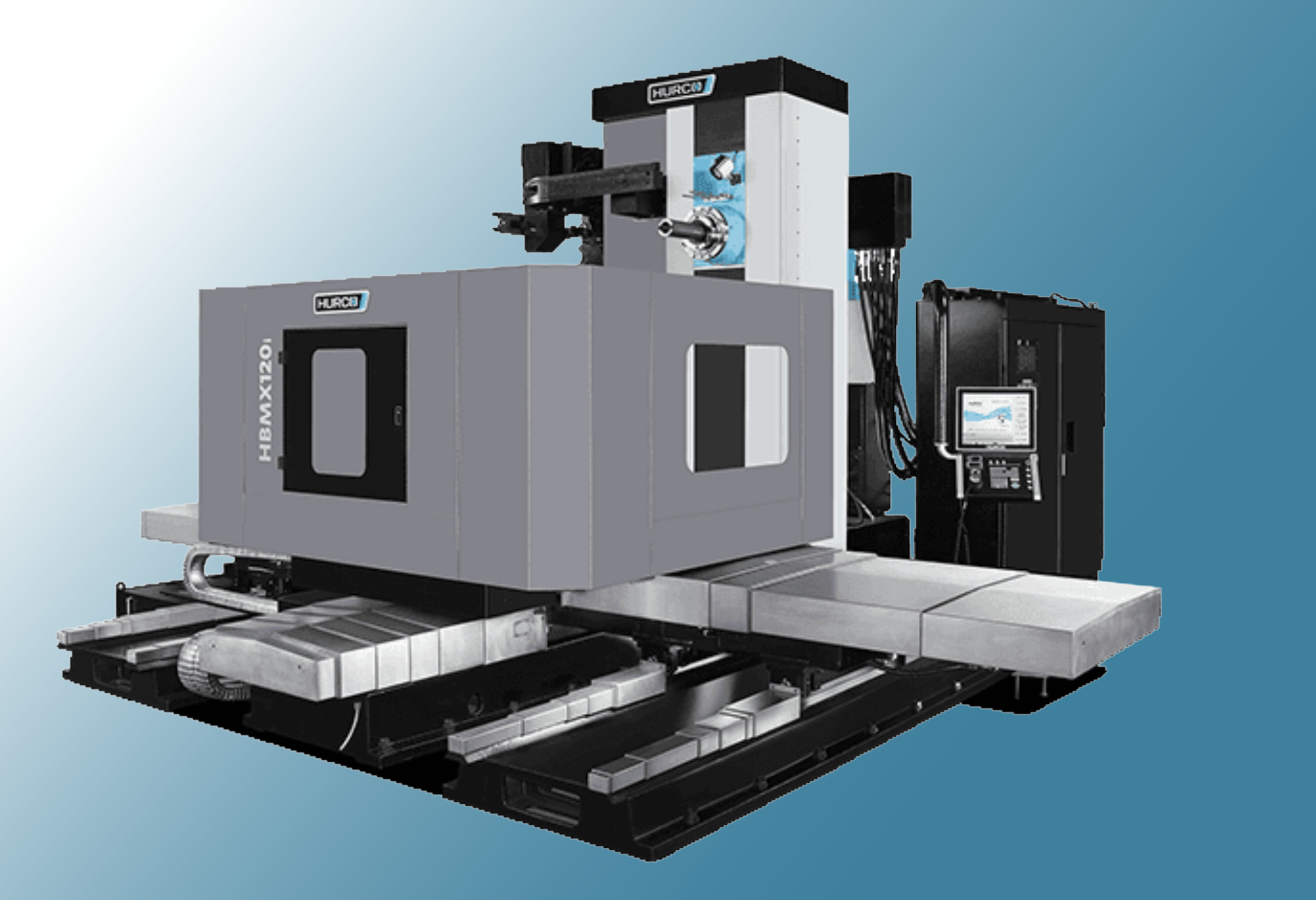
Setup changes cost real money. When operators manually unclamp, re-fixture, and re-zero a part, the spindle stops earning.
Adding a 4th axis rotary table to a standard three-axis milling machine eliminates those costly delays. This practical upgrade allows your shop to machine multiple sides of a component in a single, fluid setup.
If you want to boost shop productivity without purchasing an entirely brand-new multi-axis machine, exploring options from local machine tool suppliers near you can completely transform your shop floor.
What is a 4th Axis Rotary Table?
A standard CNC milling machine operates across three linear axes: X, Y, and Z. These axes control left-to-right, front-to-back, and up-and-down motion.
A 4th axis rotary table introduces rotational movement, typically designated as the A-axis, parallel to the X-axis. This accessory clamps the workpiece securely while the machine cuts. It indexes or rotates the material precisely during the machining cycle.
Your CNC controller programs the rotary motion just like any standard linear axis. The machine indexes the part automatically, gaining direct access to multiple faces without needing manual operator intervention.
The Major Operational Benefits of 4th Axis Machining
Upgrading your milling setup delivers immediate, measurable operational advantages. Shops adopting this technology see rapid returns on investment through reduced labor and higher output.
- Setup Reduction
Traditional three-axis work often forces operators to handle a single part four separate times. Each manual flip introduces alignment risks and eats up valuable minutes.
A rotary table lets you complete complex prismatic parts in one or two setups. You keep the spindle running longer and drastically reduce idle machine hours.
- Superior Part Accuracy and Repeatability
Every time an operator unclamps a workpiece, human error threatens tolerance control. A slight error in alignment ruins expensive raw stock instantly.
A rotary table maintains consistent part geometry because the component never leaves its initial fixture. You achieve tighter tolerances across demanding production runs.
- Expanded Job Capabilities
Shops restricted to three axes often decline complex, multi-sided contracts. Adding a rotary table unlocks complex contours, radial hole patterns, and intricate milling paths.
You instantly qualify for more lucrative aerospace, medical, and defense contracts that demand multi-sided precision.
Overcoming Common Integration Challenges
Retrofitting a rotary table requires careful planning. You must evaluate table weight limits, hydraulic clamping options, and tailstock support.
Your machine’s CNC controller also has to possess the necessary capability to drive an additional axis smoothly. Working with experienced technicians ensures your control parameters match the new hardware perfectly.
Don’t guess at whether machines will be compatible or not. Consult trusted machine tool suppliers near you to review your existing vertical mills and verify proper electrical and mechanical integration.
Maximizing ROI
Purchasing a rotary table is only part of the equation. Your programming team must also adopt efficient toolpaths that leverage continuous or indexed rotation.
Look for CAM software features that simplify multi-sided programming. Training your programmers on rotary strategies unlocks the full potential of your newly upgraded machine.
Local applications engineers can provide on-site training and post-processor tuning. This ensures that your operators run parts safely and efficiently from day one.
Partnering Up for Long-Term Shop Success
Maximizing shop floor efficiency demands smart, targeted equipment investments. A 4th axis rotary table bridges the gap between basic milling and expensive full five-axis systems.
Minimize handling errors, slash setup times, and take on advanced work with confidence. Contact local machine tool suppliers like Machine Tech to upgrade your milling machines and drive real profits!